
5 Signs Your Boiler Needs Replacing Before Winter
Avoid unexpected breakdowns in sub-zero temperatures. Here are the 5 critical warning signs that your heating system is nearing the end of its lifespan.
David Murphy
Senior RGI Gas Engineer & Technical Director

Key Takeaways for Homeowners
- Boilers over 10-15 years old typically run at less than 70% efficiency, significantly inflating winter gas bills.
- Frequent drops in system pressure or persistent kettling noises indicate critical internal component fatigue.
- Upgrading to a modern A-rated condensing boiler can save Dublin homeowners upwards of €350+ annually.
- SEAI grant assistance may be available for qualified heating control and heat pump upgrades.
1. Your Boiler is Over 12 to 15 Years Old
Modern condensing gas boilers are engineered to operate at 90%+ seasonal efficiency. In contrast, older non-condensing systems often convert as little as 60-70% of consumed gas into usable heat, with the remaining 30-40% literally disappearing up your flue.
Even if an older boiler appears to be working, replacement components for obsolete models become increasingly difficult and expensive to source in Ireland. If your system was installed over a decade ago, proactive replacement prevents an emergency winter failure when plumbers and parts are in peak demand.
Energy Efficiency Insight
Upgrading from a G-rated boiler to an A-rated condensing model can reduce carbon emissions and trim your annual household gas bills by up to 30%.
2. Loud Banging, Whistling, or Kettling Noises
A healthy boiler should operate with a gentle, consistent hum. If your unit begins producing loud banging, vibrating, or whistling sounds reminiscent of a boiling kettle, it is suffering from a condition known as "kettling".
Kettling occurs when limescale, mineral deposits, or magnetic iron oxide sludge accumulate inside the heat exchanger. This restricts water flow, causes localized overheating, and generates steam bubbles that implode violently. Left untreated, severe kettling can cause the heat exchanger to crack, resulting in costly internal leaks.
3. Constantly Dropping Pressure & Frequent Resets
If you find yourself repeatedly topping up the boiler pressure via the filling loop every few days or weeks, there is an active leak or a ruptured expansion vessel diaphragm within the system.
While minor pressure loss over several months is normal, rapid pressure drops force the boiler into emergency lockout mode (often displaying error codes like F22, F75, or E119). Continually adding fresh tap water also introduces dissolved oxygen and minerals into your radiators, accelerating internal corrosion.
Safety Warning
If your boiler is locking out repeatedly, never force repeated resets without diagnosing the root cause. Over-pressurizing or running a dry boiler can cause permanent damage.
4. Lukewarm Radiators & Unreliable Hot Water
Are some radiators scorching hot while others stay freezing cold despite bleeding them? Do you experience sudden blasts of icy water in the shower when another tap is opened?
These symptoms often point to a failing diverter valve, a degraded circulation pump, or heavy sludge buildup obstructing circulation throughout your pipework. When multiple core components degrade simultaneously, replacement is often far more economical than iterative repairs.
5. Repair Costs Exceeding the Value of the Unit
The golden rule of boiler maintenance is the "50% rule": if a single repair quote exceeds 50% of the cost of a brand new, warranty-backed installation—or if you have needed more than two callouts in the past 12 months—it is time to replace.
A new boiler installation comes with a comprehensive 5 to 10-year manufacturer parts and labor warranty, giving you total peace of mind and zero surprise repair bills throughout the harshest winter months.
RGI Certification Guarantee
All new boiler installations completed by Dublin Plumbing & Gas include full RGI safety commissioning, electrical interlock checks, and official Declaration of Conformance documentation.
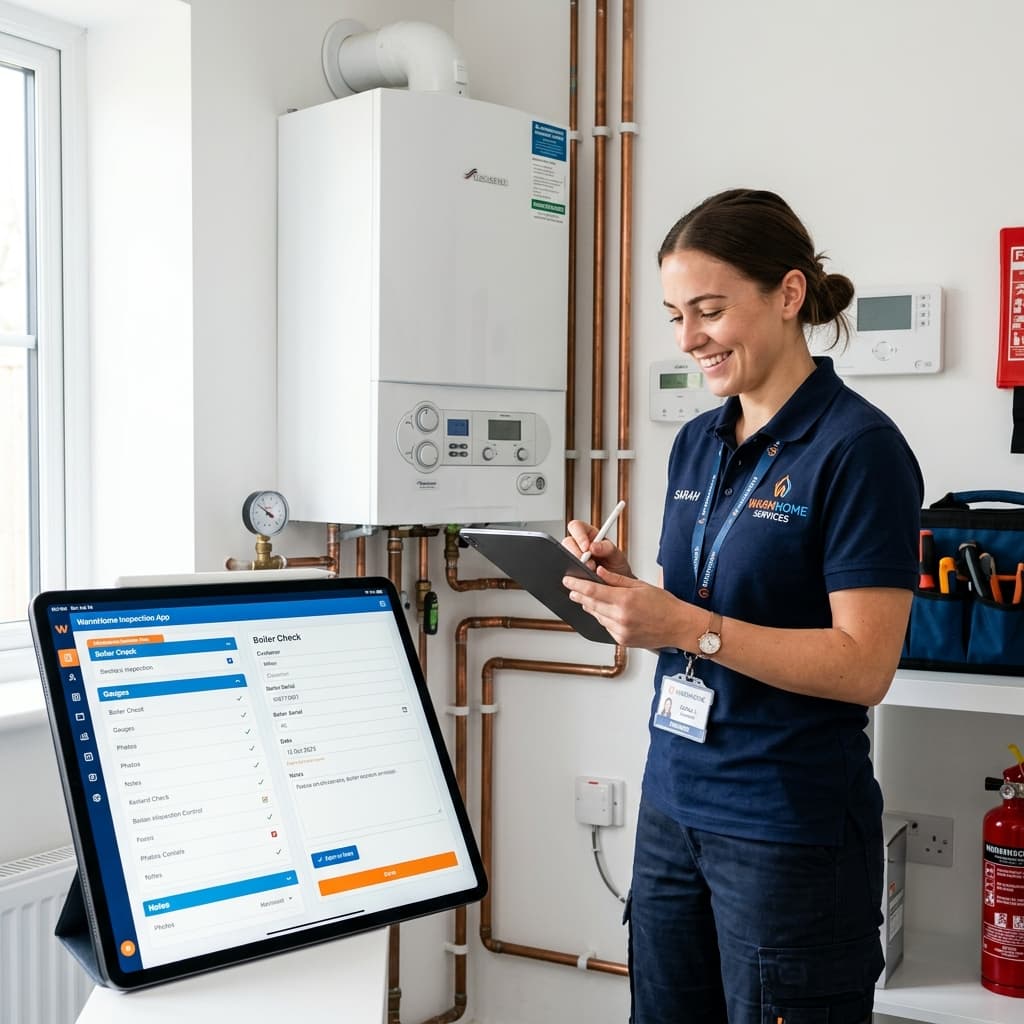
Frequently Asked Questions
How long does a standard boiler replacement take?
A straightforward like-for-like gas boiler replacement is typically completed within 1 full working day (6 to 8 hours), minimizing disruption to your heating and hot water.
Do I need to power flush my system when installing a new boiler?
Yes. Most major manufacturers (Worcester Bosch, Viessmann, Ideal, Grant) require a comprehensive system power flush and installation of a magnetic filter to validate the 5-10 year warranty.
How do I get an exact quote for a new boiler in Dublin?
We provide free, no-obligation on-site surveys and fixed-price transparent quotes across Dublin, Kildare, Meath, and Wicklow. Call our team at +353 87 634 4511.
Speak with a Licensed RGI Gas Engineer Today
Whether you need urgent emergency repairs or an upfront quote for a boiler replacement, our team is available 24/7 across Dublin, Kildare, Meath & Wicklow.
More Helpful Guides
View All Articles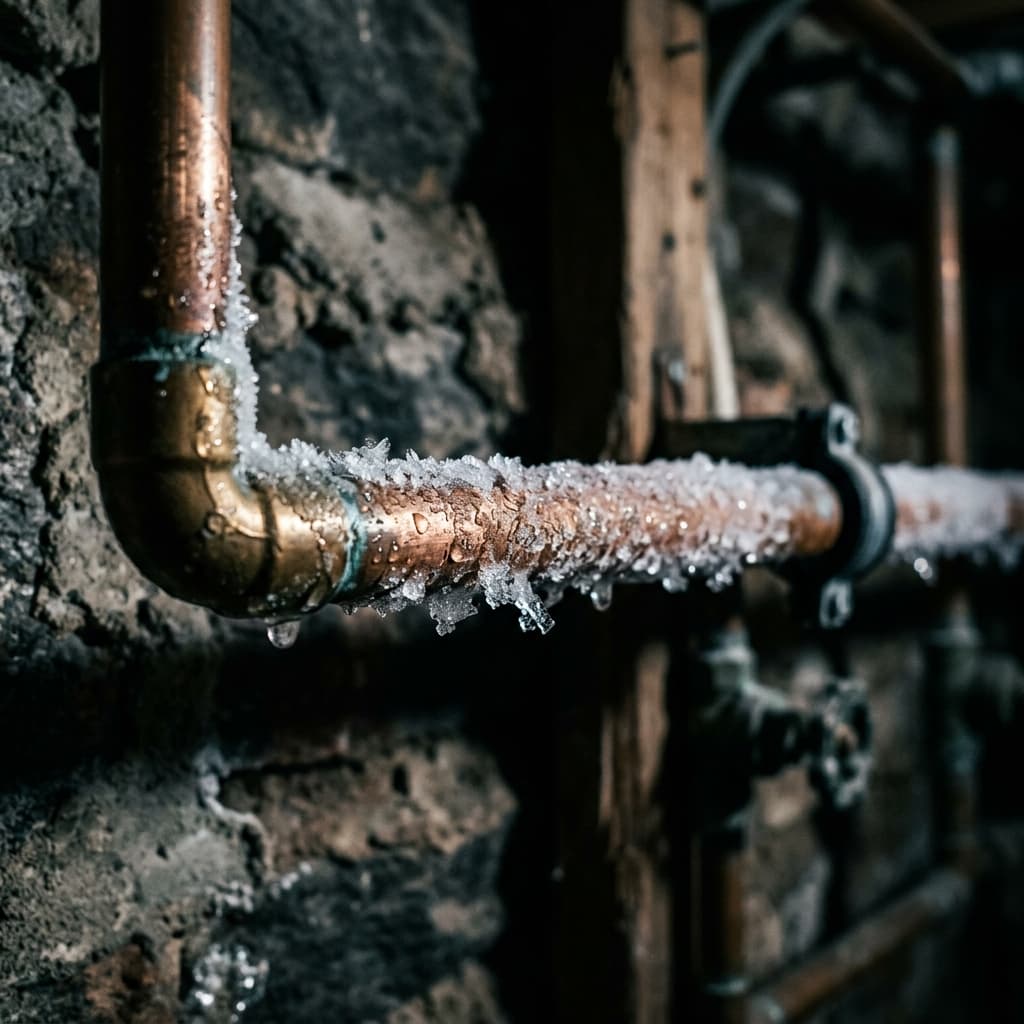
How to Prevent Frozen and Burst Pipes This Winter
A burst pipe can cause thousands of euros in water damage within minutes. Follow our practical, step-by-step checklist to winterize your home's plumbing system.
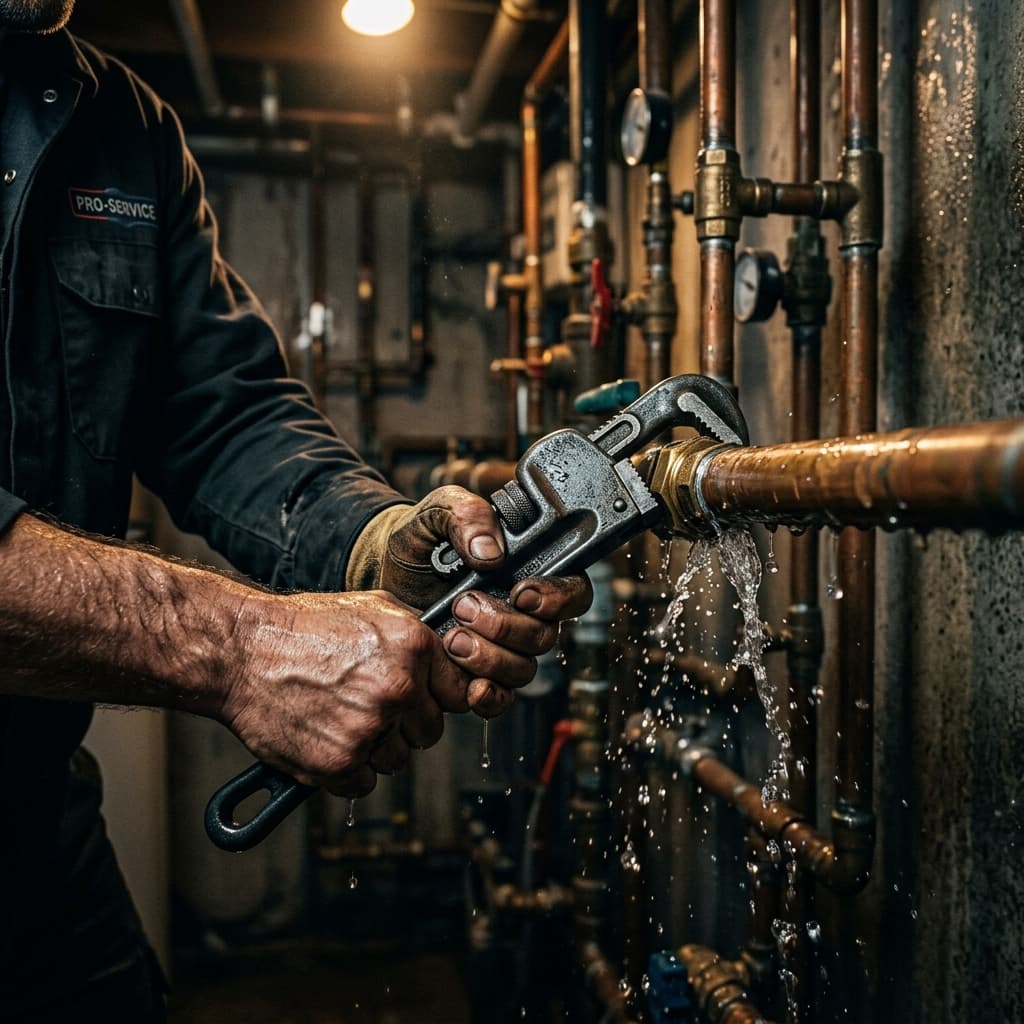
What to Do in a Plumbing Emergency: The Step-by-Step Guide
Panic is your worst enemy during an active leak or burst pipe. Learn the exact 5-step protocol to take to protect your home before your emergency plumber arrives.
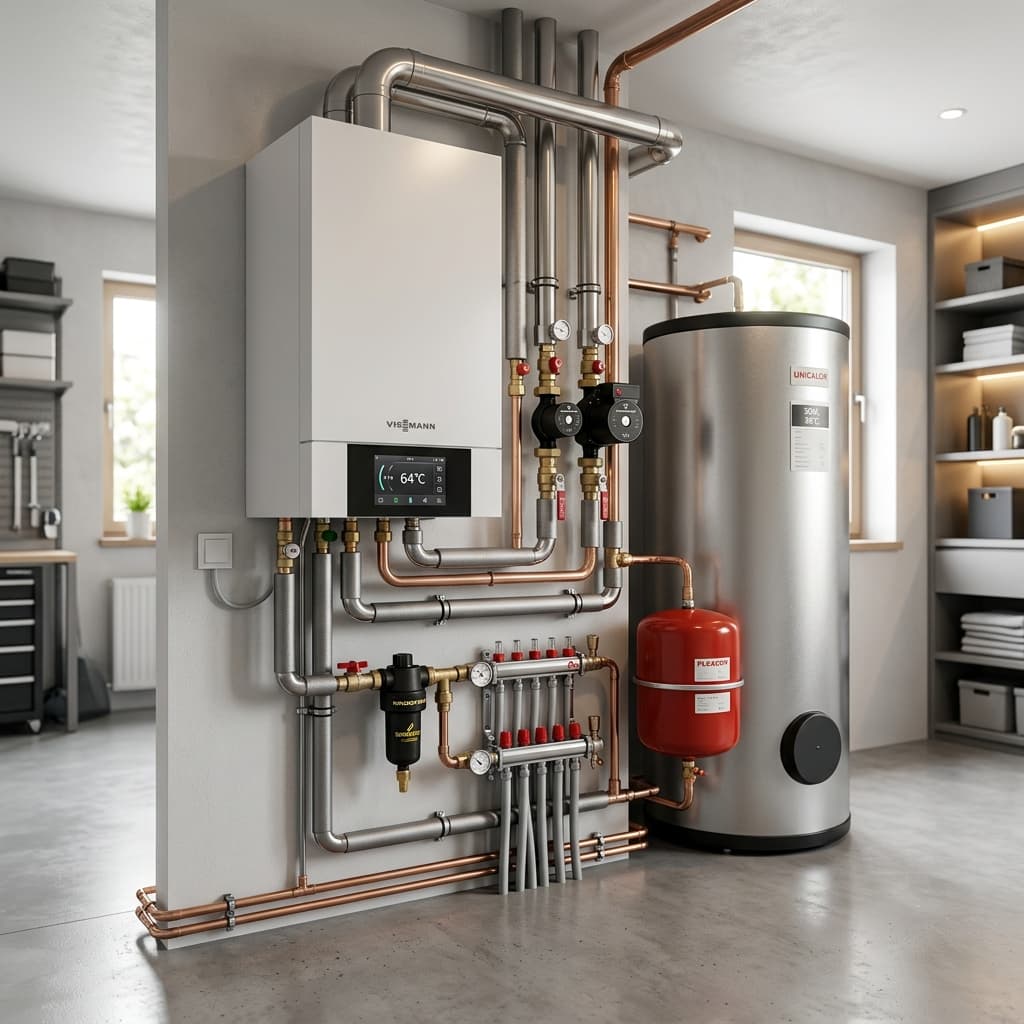
Best Gas Boilers for Irish Homes: A Dublin Buyer's Guide (2026)
Comprehensive guide comparing Combi vs System boilers, Worcester Bosch vs Viessmann vs Ideal, SEAI grant eligibility (€700), and pricing.
How to Claim the €700 SEAI Heating Controls Grant in Ireland (2026 Guide)
Step-by-step breakdown of qualifying homes, zoned valve installation, smart thermostat compatibility, and RGI contractor sign-off.
How Much Does a Gas Boiler Replacement Cost in Dublin? (2026 Price Guide)
Transparent pricing tiers (€2,400 to €3,800+), labor costs, system vs combi conversion, and magnetic filter flushes.
How to Fix Low Water Pressure in Dublin Showers & Taps
Gravity-fed tank systems vs mains pressure, Stuart Turner booster pumps, negative head shower solutions, and sediment blockages.