
How to Prevent Frozen and Burst Pipes This Winter
Sub-zero snaps can cause catastrophic water damage in Irish homes. Follow our licensed plumbers' comprehensive winterization checklist.
David Murphy
Senior RGI Gas Engineer & Technical Director
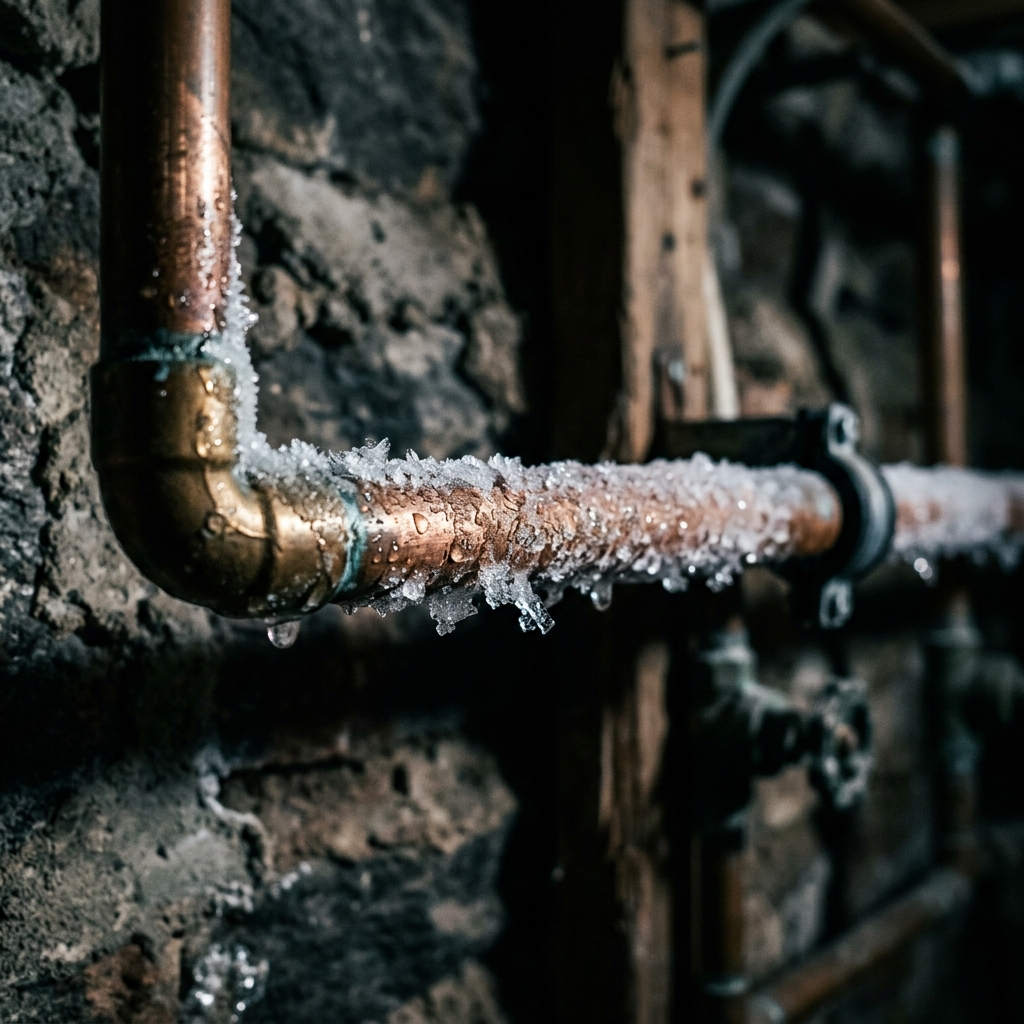
Key Takeaways for Homeowners
- Water expands by approximately 9% when freezing, creating extreme hydraulic pressure that splits copper and plastic pipes.
- Uninsulated attics, external garden taps, and garage pipe runs are the most common freeze failure points.
- Insulating exposed pipes with class-O closed-cell foam lagging is the most cost-effective prevention method.
- Knowing the exact location of your internal main stopcock can save thousands of euros in structural damage.
Why Irish Homes Are Particularly Vulnerable to Freezing
Many Irish houses—especially period properties and homes built before modern building standards—feature cold water storage tanks and copper pipework routed through unheated attic voids and external cavity walls.
When arctic weather systems cause temperatures to plunge below -3°C for consecutive nights, stagnant water inside uninsulated pipes quickly freezes. Because water expands by 9% as it solidifies into ice, the trapped pressure has nowhere to go and splits the pipe along its weakest seam.
1. Insulate All Exposed Pipework (Lagging)
Inspect your attic, basement, utility room, and garage for bare copper or plastic pipework. Fit high-density polyethylene or closed-cell foam lagging around all pipes, ensuring seams and 90-degree elbows are securely taped with waterproof duct tape.
Pay special attention to the cold water feed pipe leading to your attic expansion tank and the overflow pipes that exit through the eaves.
Attic Insulation Tip
Do not insulate underneath your attic water tank. Allowing warm air from the rooms below to rise toward the underside of the tank helps prevent it from freezing during extreme cold snaps.
2. Isolate and Drain Outside Garden Taps
Outside garden bib taps are exposed directly to ambient freezing air. Locate the dedicated internal isolating valve for the outside tap (usually under the kitchen sink or utility cabinet), turn it off, and open the outside tap to drain any residual water from the line.
If you do not have an internal isolation valve, install an insulated thermal tap jacket over the outdoor fixture.
3. Keep Your Heating on a Low Background Frost Setting
If you are leaving your home unoccupied for work or holidays during winter, never turn your central heating completely off. Set your room thermostat or programmable timer to a constant background temperature of 13°C to 15°C.
Most modern boilers also incorporate built-in frost protection that automatically fires the burner if internal system temperatures drop below 5°C, provided the electrical supply remains on.
4. What to Do If You Suspect a Pipe Has Already Frozen
If you turn on a tap on a freezing morning and only a trickle or no water emerges, one of your supply lines is likely frozen.
Immediately shut off your main internal stopcock to prevent flooding once the ice thaws. Inspect visible pipe runs for bulging, cracking, or frost coating. Gently warm the frozen section using a hairdryer or towels soaked in hot water—starting from the tap end and working backward toward the frozen blockage.
NEVER use a naked flame, blowtorch, or heat gun on plumbing pipes, as rapid boiling water can cause violent steam explosions or ignite nearby timber rafters.
Critical Emergency Action
If you discover a split pipe or active leak during thawing, keep the main water supply shut off and immediately call our 24/7 emergency dispatch team at +353 87 634 4511.
Frequently Asked Questions
Where is my main internal water shut-off valve located?
In most Irish properties, the internal main stopcock is located under the kitchen sink, in a ground-floor utility press, or inside the hot press.
Does home insurance cover burst pipe water damage in Ireland?
Most standard Irish home insurance policies cover water escape damage resulting from burst pipes, provided the property was adequately heated and not left unoccupied for more than 30 consecutive days without notifying the insurer.
How quickly can your emergency team attend to a burst pipe?
Our rapid response vans operate 24 hours a day, 365 days a year across Dublin, Kildare, Meath, and Wicklow, aiming for on-site arrival within 60 to 90 minutes.
Speak with a Licensed RGI Gas Engineer Today
Whether you need urgent emergency repairs or an upfront quote for a boiler replacement, our team is available 24/7 across Dublin, Kildare, Meath & Wicklow.
More Helpful Guides
View All Articles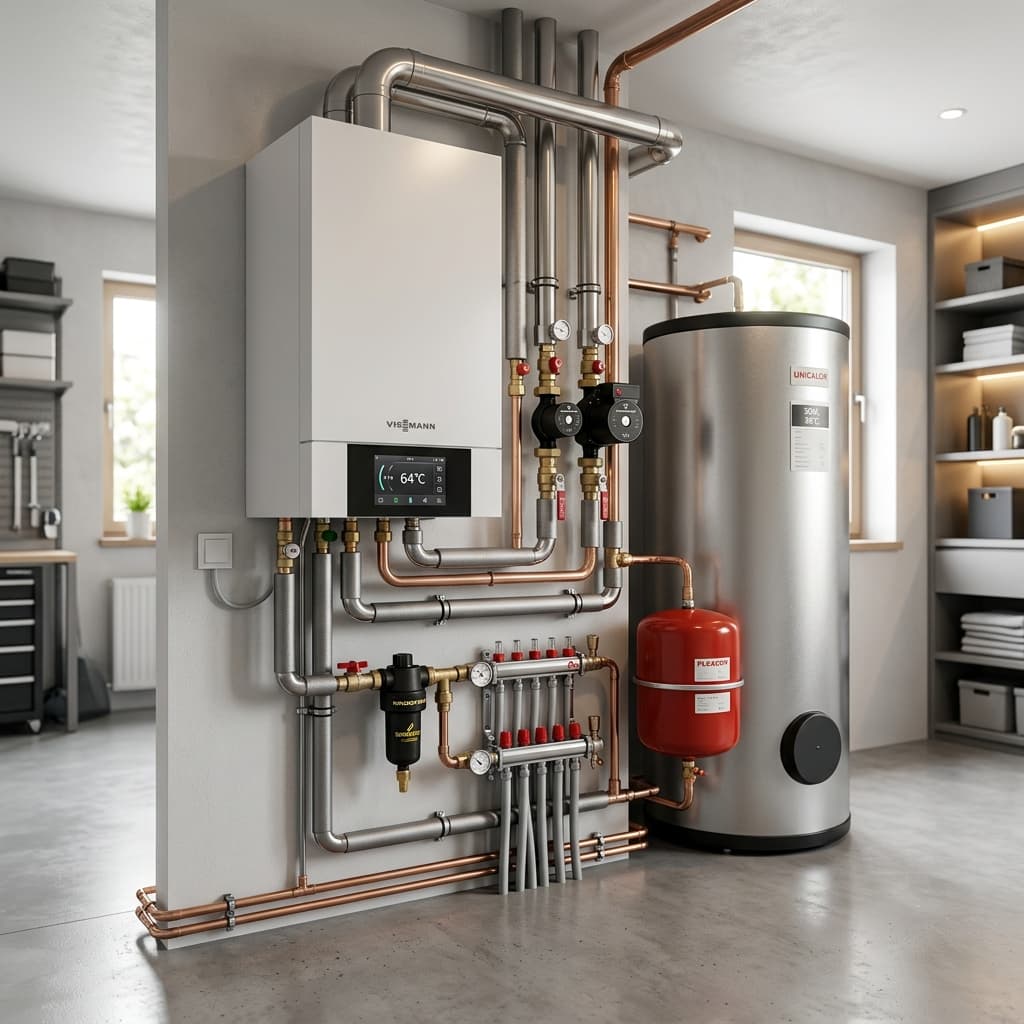
5 Signs Your Boiler Needs Replacing Before Winter
Don't wait until it breaks down in the middle of winter. Look out for these 5 critical warning signs that your boiler is on its last legs and costing you money on heating bills.
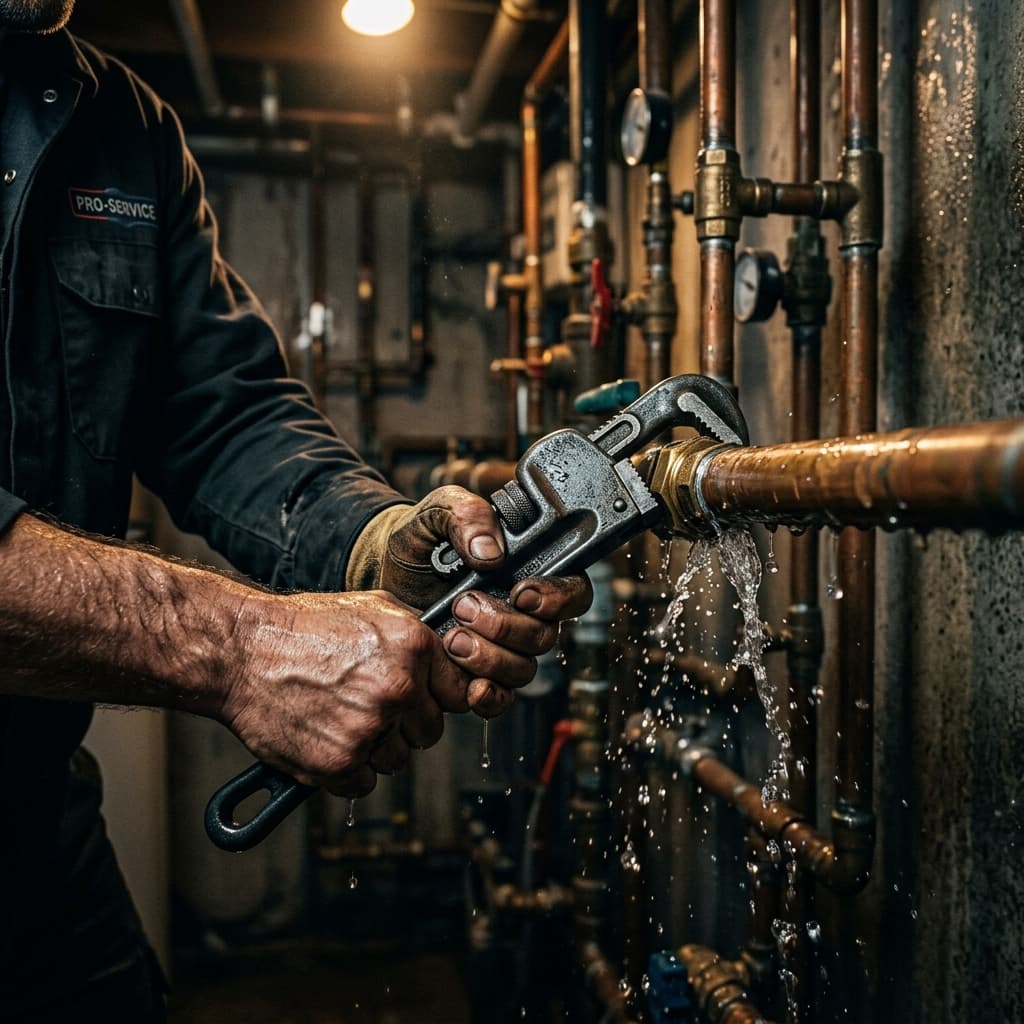
What to Do in a Plumbing Emergency: The Step-by-Step Guide
Panic is your worst enemy during an active leak or burst pipe. Learn the exact 5-step protocol to take to protect your home before your emergency plumber arrives.
Best Gas Boilers for Irish Homes: A Dublin Buyer's Guide (2026)
Comprehensive guide comparing Combi vs System boilers, Worcester Bosch vs Viessmann vs Ideal, SEAI grant eligibility (€700), and pricing.
How to Claim the €700 SEAI Heating Controls Grant in Ireland (2026 Guide)
Step-by-step breakdown of qualifying homes, zoned valve installation, smart thermostat compatibility, and RGI contractor sign-off.
How Much Does a Gas Boiler Replacement Cost in Dublin? (2026 Price Guide)
Transparent pricing tiers (€2,400 to €3,800+), labor costs, system vs combi conversion, and magnetic filter flushes.
How to Fix Low Water Pressure in Dublin Showers & Taps
Gravity-fed tank systems vs mains pressure, Stuart Turner booster pumps, negative head shower solutions, and sediment blockages.