
What to Do in a Plumbing Emergency: The Step-by-Step Guide
Stay calm and act fast. Follow this critical checklist to stop flooding, protect your electrical systems, and minimize property damage.
David Murphy
Senior RGI Gas Engineer & Technical Director

Key Takeaways for Homeowners
- Shutting off the main water stopcock within the first 60 seconds eliminates 90% of potential ceiling and flooring damage.
- Always switch off the electrical consumer unit for the affected zones if water is leaking near light fixtures or sockets.
- Open cold water taps and flush toilets to drain the remaining head pressure from the plumbing network.
- Capture clear photos and video of the leak origin and damaged property for your home insurance claim.
Step 1: Turn Off the Main Water Supply Immediately
The single most critical action in any plumbing emergency is cutting off the pressurized water supply. Locate your indoor main stopcock (typically located underneath the kitchen sink or in the ground-floor hallway press) and rotate it clockwise until it is fully closed.
If the internal valve is seized or inaccessible, proceed to the external boundary box on the public footpath outside your property. Open the meter lid and turn the brass street valve 90 degrees clockwise using a stopcock key or pliers.
Proactive Homeowner Tip
Test your internal stopcock twice a year by turning it slightly back and forth. This prevents mineral scale from seizing the valve spindle when an emergency strikes.
Step 2: Isolate Electrical Power if Water is Leaking Near Wiring
Water conducts electricity and creates severe shock hazards when penetrating ceiling light roses, wall switches, or fuse boxes. If water is dripping through ceilings or running down walls, immediately go to your main electrical fuse board (consumer unit) and switch off the main power or the specific circuit breaker for that zone.
Never touch electrical switches, appliances, or light fittings while standing in wet areas.
Electrocution Hazard
If water is pooling around the main electrical consumer unit itself, do NOT approach it. Evacuate the room and contact the ESB emergency helpline alongside your plumber.
Step 3: Open Cold Taps to Drain Residual System Pressure
Even with the main stopcock shut, several liters of pressurized water remain trapped inside your domestic pipework and attic storage tanks.
Turn on all cold water taps on ground level sinks and flush your toilets. This safely drains the trapped water out through the drains rather than allowing it to continue leaking through your ceilings or floorboards.
Step 4: Contain the Water & Document for Insurance Claims
Place buckets, plastic basins, and heavy absorbent towels beneath active drip points. If a ceiling is noticeably bulging with trapped water, carefully pierce the center of the plasterboard bulge with a screwdriver or pin to allow the water to drain into a bucket in a controlled stream, preventing a catastrophic ceiling collapse.
Before cleaning up, take clear smartphone photos and high-resolution video of the leak origin, water levels, ruined flooring, furniture, and structural damage. Your insurance loss assessor will require this evidence.
Step 5: Call a Licensed 24/7 Emergency Plumber
Once the immediate flooding hazard is contained, contact a reputable, RGI-registered emergency plumbing service. Give the dispatcher clear details: whether the leak is mains water, central heating water, or foul wastewater, and whether the water is currently isolated.
Our rapid response fleet is equipped with high-pressure diagnostic cameras, commercial pipe-freezing kits, and universal compression fittings to carry out permanent repairs on the first visit.

Frequently Asked Questions
What is considered a true plumbing emergency?
True emergencies include uncontained burst water mains, ceiling collapse from hidden leaks, total loss of heating during sub-zero temperatures, suspected gas leaks, or sewer backups flooding living spaces.
What should I do if I smell gas in my home?
Immediately extinguish all naked flames, do NOT flip electrical switches, open doors and windows for ventilation, turn off the gas meter control valve, evacuate the property, and call the Gas Networks Ireland 24/7 emergency line (1800 20 50 50) and an RGI registered engineer.
Are your emergency plumbers RGI certified and insured?
Yes. All Dublin Plumbing & Gas technicians are fully RGI certified, carry €6.5M public liability insurance, and provide transparent fixed-rate emergency pricing.
Speak with a Licensed RGI Gas Engineer Today
Whether you need urgent emergency repairs or an upfront quote for a boiler replacement, our team is available 24/7 across Dublin, Kildare, Meath & Wicklow.
More Helpful Guides
View All Articles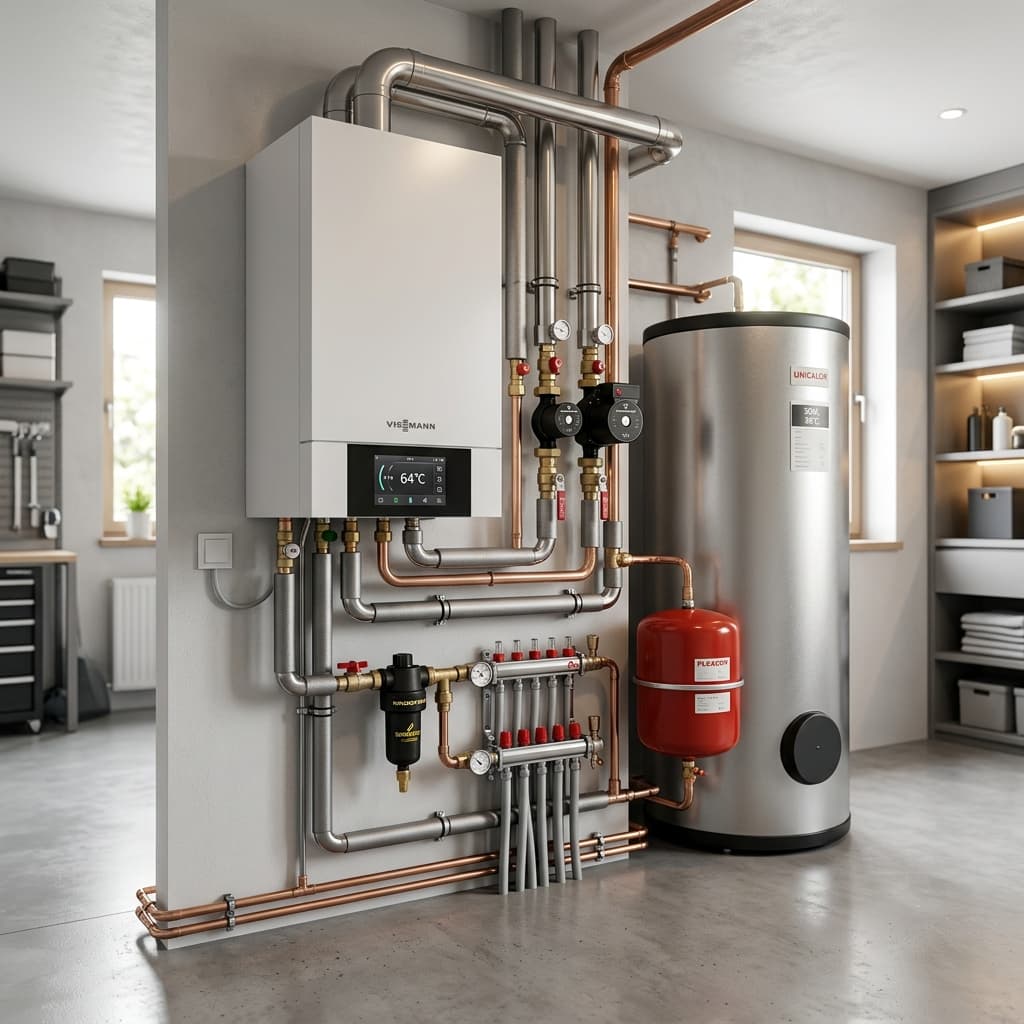
5 Signs Your Boiler Needs Replacing Before Winter
Don't wait until it breaks down in the middle of winter. Look out for these 5 critical warning signs that your boiler is on its last legs and costing you money on heating bills.
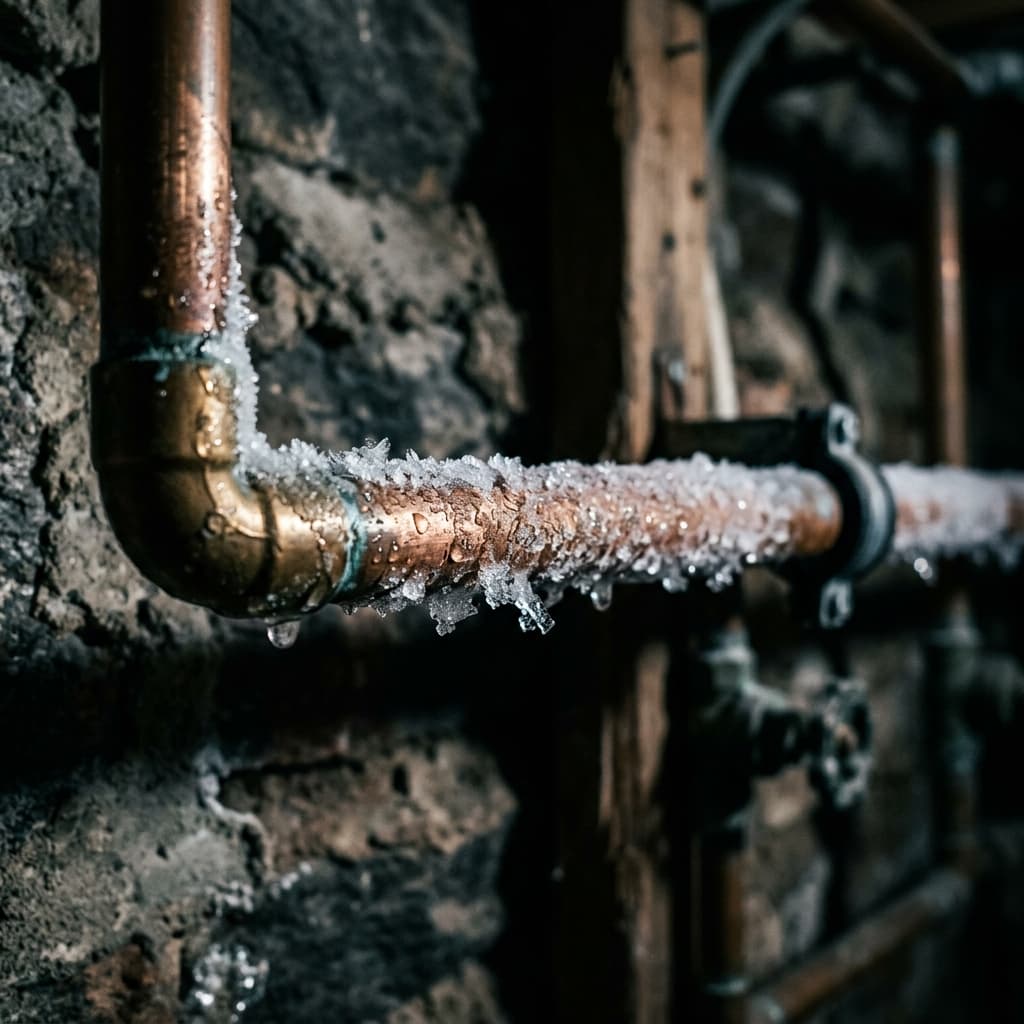
How to Prevent Frozen and Burst Pipes This Winter
A burst pipe can cause thousands of euros in water damage within minutes. Follow our practical, step-by-step checklist to winterize your home's plumbing system.
Best Gas Boilers for Irish Homes: A Dublin Buyer's Guide (2026)
Comprehensive guide comparing Combi vs System boilers, Worcester Bosch vs Viessmann vs Ideal, SEAI grant eligibility (€700), and pricing.
How to Claim the €700 SEAI Heating Controls Grant in Ireland (2026 Guide)
Step-by-step breakdown of qualifying homes, zoned valve installation, smart thermostat compatibility, and RGI contractor sign-off.
How Much Does a Gas Boiler Replacement Cost in Dublin? (2026 Price Guide)
Transparent pricing tiers (€2,400 to €3,800+), labor costs, system vs combi conversion, and magnetic filter flushes.
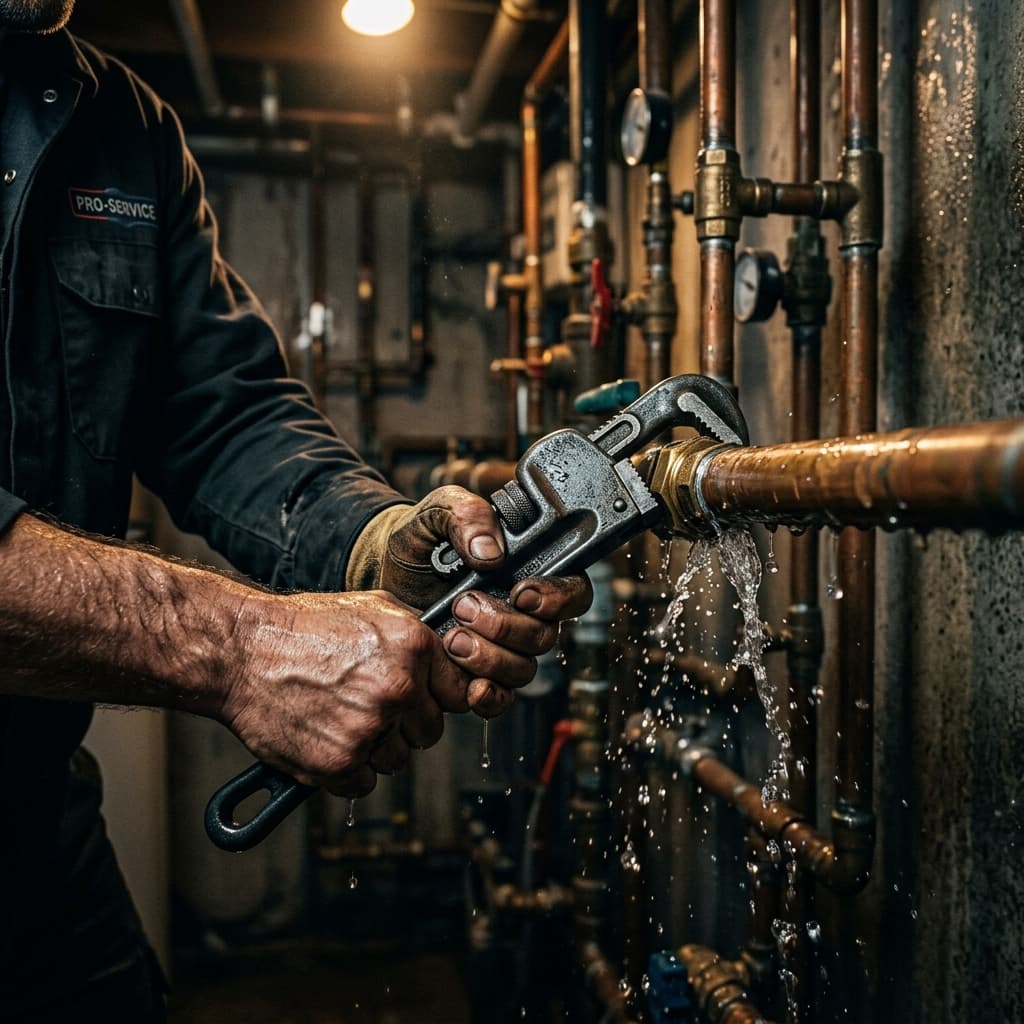
How to Fix Low Water Pressure in Dublin Showers & Taps
Gravity-fed tank systems vs mains pressure, Stuart Turner booster pumps, negative head shower solutions, and sediment blockages.