
Does My Heating System Need a Power Flush? Signs, Costs & Benefits in Ireland
Cold radiator bottoms, black water when bleeding, and noisy boilers: how commercial power flushing restores up to 25% lost heat in Dublin homes.
David Murphy
Senior RGI Gas Engineer & Technical Director
Key Takeaways for Homeowners
Need an engineer today? Book below- Black sludge inside radiators is 'magnetite' (iron oxide)—formed by electrolytic corrosion between steel radiators, copper pipes, and untreated water.
- If radiators are hot at the top and cold at the bottom, bleeding them won't help; settled sludge is physically blocking water flow through the lower channels.
- A professional power flush takes 4 to 8 hours using a high-flow reversible pump, thermal agitators, and chemical mobilizers to purge every radiator individually.
- Most boiler manufacturers require a clean, flushed system and magnetic filter to honor 5-to-10-year heat exchanger warranties.
1. The 5 Clear Signs Your Heating System Is Choked with Sludge
1. Radiators Cold at the Bottom, Hot at the Top: Unlike trapped air (which makes the top of a radiator cold), heavy iron oxide sludge sinks to the bottom of the radiator panel and forces hot water to bypass over the top.
2. Dirty Brown or Jet-Black Water When Bleeding: Healthy heating water dosed with chemical inhibitor should be clear. Thick brown or black water confirms active internal rust.
3. Radiators Far From the Boiler Never Heat Up: Sludge restricts pipe diameter and slows the circulation pump, starving downstairs or extension radiators of flow.
4. Boiler Banging, Whistling, or Short-Cycling: When sludge coats the boiler's narrow plate or primary heat exchanger, the boiler overheats within minutes and shuts off before the house is warm.
5. Repeatedly Seized Pumps or Leaking Pinhole Radiators: Abrasive magnetite wears out circulation pump bearings and eats through steel radiators from the inside out.
2. What Happens During a Professional Power Flush?
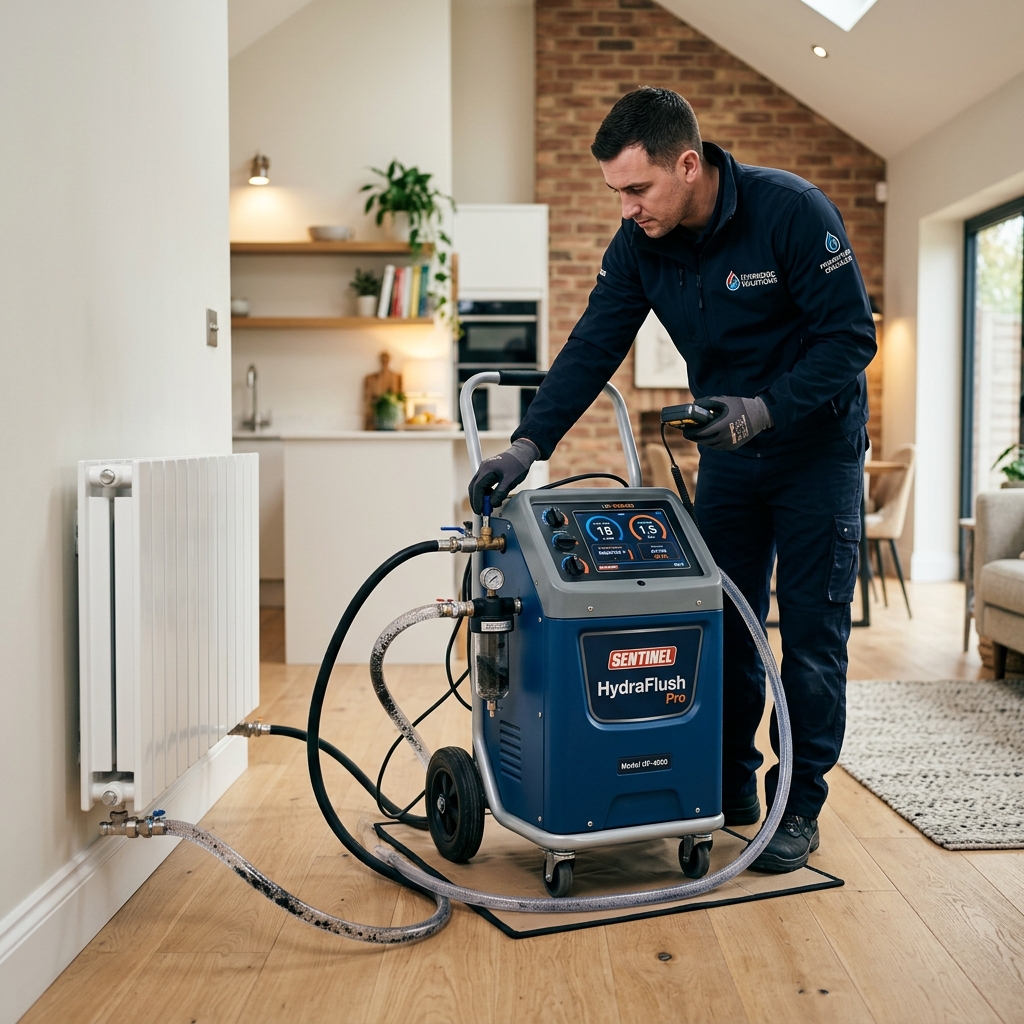
Unlike a basic gravity drain-down (which leaves heavy settled sludge sitting in the bottom of radiator panels), our engineers connect a commercial high-velocity Kamco power-flushing machine directly into your heating circuit.
We circulate heated chemical sludge-mobilizer and descaler at high flow rates but safe low pressure, reversing flow direction rapidly across each individual radiator one by one until the dump water runs crystal clear. Finally, we install a permanent magnetic filter (such as a MagnaClean or Fernox TF1), dose the circuit with corrosion inhibitor, and balance every radiator lockshield valve.
Restore Heat to Cold Radiators Without Replacing Them
A single day's power flush can restore radiators to peak output and lower your gas bill by up to 20%. Get an upfront fixed quote based on the number of radiators in your home.
Need a Hand With This? Explore Our Related Services
Frequently Asked Questions
How much does a central heating power flush cost in Dublin?
Power flushing in Dublin is priced transparently based on the number of radiators in your property, typically starting from €450–€650 including chemical cleansers, corrosion inhibitor dosing, and full system balancing.
How long does a power flush take?
For a standard 3-to-4 bedroom home (7 to 12 radiators), a thorough chemical power flush and balancing takes between 5 and 7 hours.
Can a power flush cause leaks in old pipes?
Because a power-flushing machine operates at high flow volume rather than high pressure (less than normal mains pressure), it does not damage sound pipework. Only a radiator panel that has already rusted completely through and is held together solely by a crust of rust could show a pinhole—which we can isolate and replace on the spot.
Speak with a Licensed RGI Gas Engineer Today
Whether the DIY fix didn't solve it or you want an upfront fixed quote, our engineers are on standby across Dublin, Kildare, Meath & Wicklow.
More Helpful Guides
View All Articles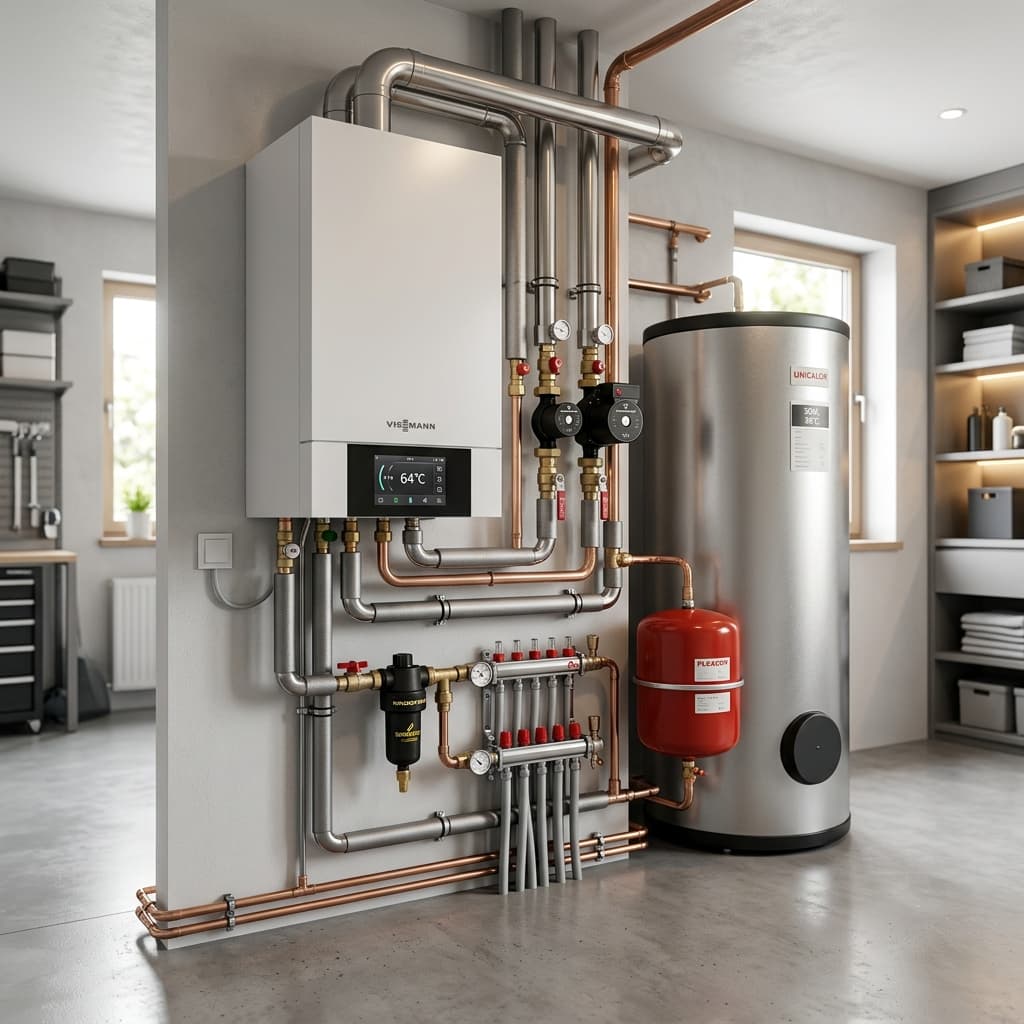
5 Signs Your Boiler Needs Replacing Before Winter
Don't wait until it breaks down in the middle of winter. Look out for these 5 critical warning signs that your boiler is on its last legs and costing you money on heating bills.
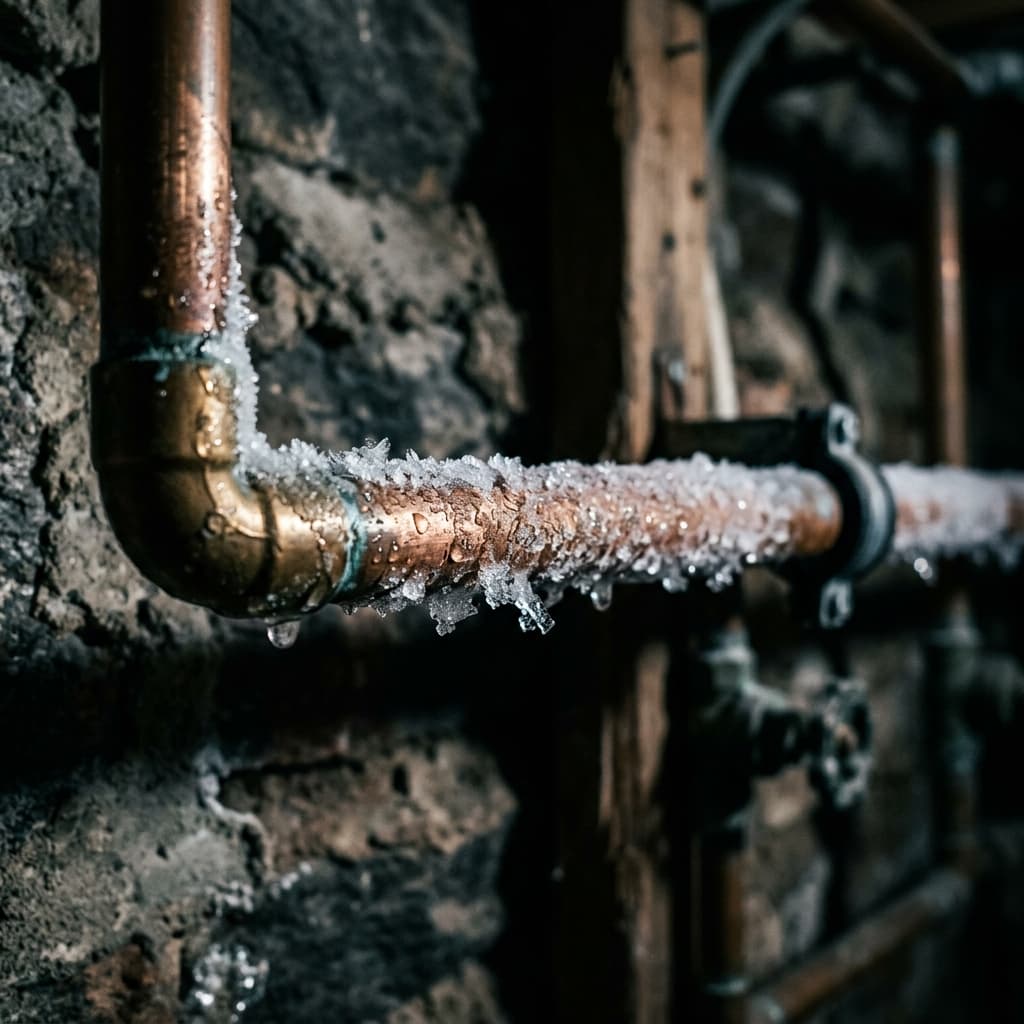
How to Prevent Frozen and Burst Pipes This Winter
A burst pipe can cause thousands of euros in water damage within minutes. Follow our practical, step-by-step checklist to winterize your home's plumbing system.
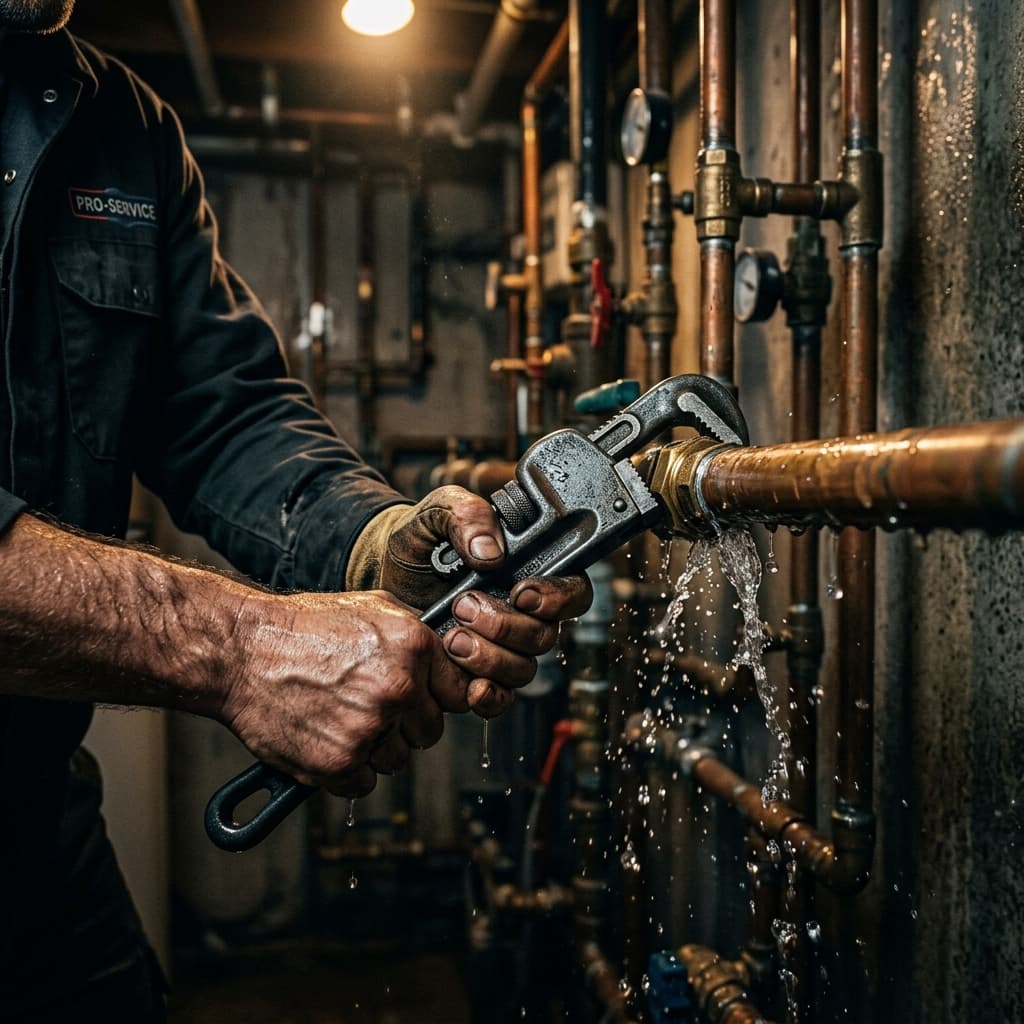
What to Do in a Plumbing Emergency: The Step-by-Step Guide
Panic is your worst enemy during an active leak or burst pipe. Learn the exact 5-step protocol to take to protect your home before your emergency plumber arrives.
Best Gas Boilers for Irish Homes: A Dublin Buyer's Guide (2026)
Comprehensive guide comparing Combi vs System boilers, Worcester Bosch vs Viessmann vs Ideal, SEAI grant eligibility (€700), and pricing.